

The short version
- Exion delivers monopolar radiofrequency and targeted ultrasound at the same time.
- It aims to stimulate your own hyaluronic acid rather than inject it.
- A human histology study found roughly 1.67× higher hyaluronic acid density with both energies versus radiofrequency alone.
- The research is early and the samples small — seven subjects, manufacturer-sponsored.
- Texture, density and hydration are three different problems with different timelines.
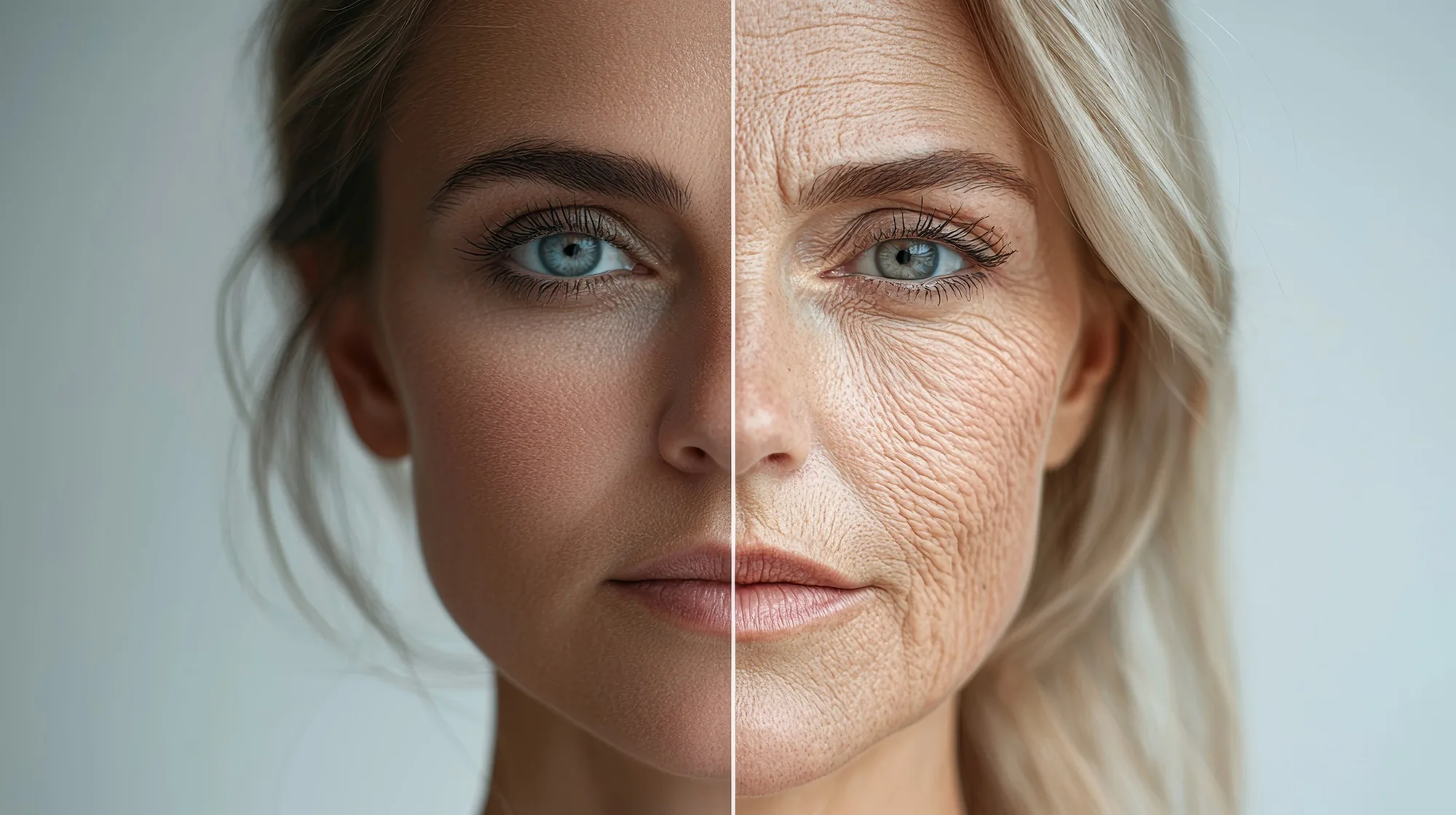
Skin quality is the vaguest term in aesthetics. It gets used to describe anything that is not a wrinkle or a sag, which makes it nearly useless when you are trying to work out what to treat. In practice it breaks into three separate things that respond differently: how smooth the surface is, how substantial the skin feels, and how well it holds water.
Exion is aimed at all three, through a mechanism that is different from most devices in the category. Here is how it works and what the published research has actually shown.
What skin quality actually means
Texture is the surface: roughness, enlarged pores, uneven tone. Density is the depth and substance of the skin itself, which is what makes it feel resilient rather than thin. Hydration is water-holding capacity, and it is the one most people misdiagnose as needing a better moisturizer when the problem sits below the surface.
Those three concerns are separate from lift and muscle tone, which is a different tissue layer and a different treatment. Our overview of how Emface and Exion work lays out which device addresses which layer.
How Exion works: two energies, one target
Exion, made by BTL Industries, emits monopolar radiofrequency and targeted ultrasound simultaneously from the same applicator. The radiofrequency heats deeper skin layers, which is a familiar mechanism for stimulating collagen. The targeted ultrasound adds mechanical stress to the fibroblasts, the cells that manufacture the skin's structural components.
The claim that makes it unusual is about hyaluronic acid. Hyaluronic acid is the molecule that binds water in the skin, and it declines with age. Most treatments address that by injecting it. Exion is designed to prompt your own fibroblasts to produce more of it. Whether the two energies together actually do something that radiofrequency alone does not is the specific question the research set out to answer. The treatment detail sits on our Exion page.
What the hyaluronic acid research found
A human histology study by Goldberg, published in the Journal of Cosmetic Dermatology in 2026, tested that question directly. Seven subjects between 51 and 64 were split into three groups: one receiving simultaneous radiofrequency and targeted ultrasound, one receiving radiofrequency alone, and one untreated control. Each treated group had four sixty-minute facial sessions, seven to fourteen days apart.
Rather than relying on photographs, the researchers took small punch biopsies and stained the tissue specifically for hyaluronic acid. The combined-energy group showed roughly 1.67 times higher hyaluronic acid density, while the radiofrequency-only group showed no significant change. A separate multicenter study registered with ClinicalTrials.gov randomized forty-one subjects between the two approaches to assess skin hydration. Both studies were sponsored by the manufacturer, which is standard in device research and still worth knowing when you read the results. Which applications we use this for is outlined on our services page.
Where the evidence is still thin
Seven subjects is a very small study, with only three people in the group that showed the effect. That is enough to demonstrate a mechanism in tissue, which is what histology is good for, and not enough to predict how much visible change any individual will see. The finding is biologically specific and clinically preliminary at the same time.
Some of the supporting work is also preclinical. A 2024 pilot study in the Aesthetic Surgery Journal Open Forum tested the combined energies in animal tissue and found that radiofrequency with targeted ultrasound stimulated hyaluronic acid production while radiofrequency with untargeted ultrasound did not. That is useful evidence about how the technology works and it is not evidence about human faces. Anyone citing large percentage increases from company presentations rather than peer-reviewed papers is quoting marketing.
Texture, density and hydration are three different problems
This matters for expectations. If your concern is hydration and the skin looking dull or crepey, the hyaluronic acid mechanism is directly relevant. If your concern is texture, you are relying more on the collagen response, which radiofrequency devices in general are known for. If your concern is density, you are asking for structural change that takes the longest to appear.
Worth separating from injectables, too. Hyaluronic acid fillers add volume by placing the molecule under the skin. Exion is aimed at the skin's own production, which is a different goal entirely. If volume rather than quality is what you are after, how Emface compares with Botox covers where injectables sit in the picture.
How Exion fits alongside Emface
Exion and Emface are frequently planned together because they treat different problems. Emface works on the muscles that lift the face and firms the skin above them. Exion works on the quality of that skin: its density, its texture and its ability to hold water. Treating structure without treating surface leaves half the picture untouched, and the reverse is also true. Our Emface page covers the lifting side.
Which combination makes sense depends on your skin, and that is an assessment rather than a formula. To have it looked at in Orlando, call (689) 282-5599 or request a consultation.
Frequently asked questions
What is the difference between Exion and regular radiofrequency?
Does Exion actually increase hyaluronic acid?
How many Exion sessions are needed?
Does Exion hurt?
Is Exion the same as microneedling?
Can Exion replace hyaluronic acid filler?
Medical note. This article summarizes published research for educational purposes and is not a substitute for professional medical advice, diagnosis or treatment. The studies described are small and manufacturer-sponsored, and their findings do not predict individual outcomes. Exion is not appropriate for everyone; suitability can only be determined during an in-person evaluation.