
The short version
- Botox is injected into a muscle to relax it and soften the skin above it, while a dermal filler fills folds and hollow areas to restore a smoother, fuller look.
- They are used for different concerns and sometimes together.
- Aesthetic Wellness offers both Botox and dermal fillers in Orlando, and which one fits a given concern is a conversation for a consultation.
This guide compares the two in general terms and explains where each fits among the treatments Aesthetic Wellness offers. It is general education, not a recommendation, since only a consultation can tell you what suits your own face.
Filler vs. Botox at a Glance
According to the American Society for Dermatologic Surgery, a neuromodulator such as Botox is injected into the underlying muscle, where it relaxes the muscle and gradually smooths the skin above it. Soft-tissue fillers, by contrast, elevate and fill deep folds and shallow contours such as sunken cheeks. The table below expands on that.
| Aspect | Botox | Dermal Filler |
|---|---|---|
| How it works | A neuromodulator that works on the muscle beneath the skin | A soft-tissue filler placed to create a smoother, fuller appearance |
| What it acts on | The underlying muscle, and through it the skin above | Folds, creases, and areas that have lost volume |
| Areas the sources name | Frown lines and crow's feet | Deep folds, cheeks, lips, and chin |
| Used together? | Often combined with filler as one approach | Often combined with Botox as one approach |
| Offered at Aesthetic Wellness | Yes | Yes |
These are general patterns. A given line can have more than one cause, and the right approach depends on the person, which is why a table can only get you part of the way. Neither the table nor the sources can say which column describes your own face.
Another way to think about it is by what each one is trying to address. Botox works through muscle movement, and filler works through volume. Many faces show a bit of both, which is why the two come up together so often and why the straight answer is frequently that it depends.
Which Concerns Each Is Generally Associated With
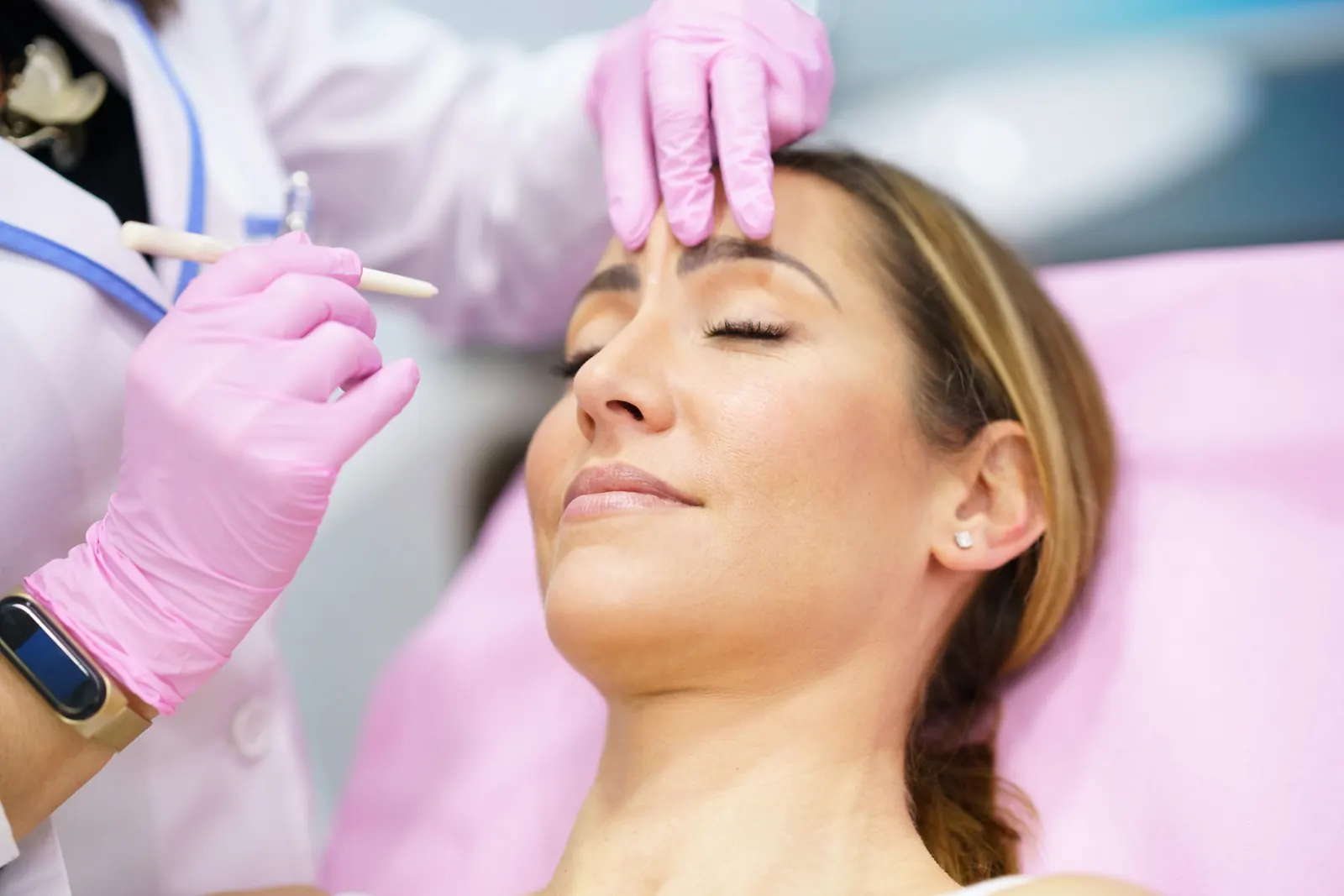
The sources describe the two treatments in terms of the areas they are used on. Botox is named for frown lines and crow's feet, while the FDA describes dermal fillers as approved for moderate to severe wrinkles and skin folds, such as nasolabial folds, and for adding volume to the lips, cheeks, chin, and back of the hand.
| What You Notice | Conversation It Tends to Start |
|---|---|
| Lines around the eyes or between the brows that deepen with expression | A Botox conversation, since Botox acts on the muscle behind the movement |
| Deep folds you can see when your face is relaxed | A filler conversation, since deep folds are a typical filler concern |
| A flatter or hollower look in the cheeks | A filler conversation about volume |
| Both expression lines and folds or hollows | A conversation about both, since the two are often combined |
Worth knowing. The FDA lists bruising, redness, swelling, pain, tenderness, and itching as common side effects of dermal fillers, and raised bumps under the skin, infection, and allergic reaction as less common ones. These are reasons to ask an Aesthetic Wellness provider about their approach and what to watch for.
Neuromodulators have their own list. The same dermatologic surgery society names soreness, mild bruising, temporary weakness of surrounding muscles, headache, and drooping eyelid, which is another reason to talk through what to watch for before choosing.
None of these categories are rigid. Lines do not always sort themselves neatly into movement or volume, and some people have a mix. An Aesthetic Wellness provider looking at your face in person can tell which factor is doing more work, which is far more reliable than self-diagnosing from a mirror.
Botox and Dermal Fillers at Aesthetic Wellness
Both Botox and dermal fillers are treatments Aesthetic Wellness offers at its Orlando location, and the practice notes that many patients pair its device treatments with injectables like these. How each applies to your concern is something to ask about directly at a consultation.
You can see the full range of treatments the practice offers. If you are also weighing Botox against a non-injectable option, the Emface vs. Botox article compares the two.
Not sure whether filler, Botox, or both? Contact Aesthetic Wellness to schedule a consultation.
Arriving with a preference for one treatment is a fair starting point, and a consultation can look at your face and your goals before the choice is made. It is also fine to arrive unsure, since talking through what you have noticed is enough to begin.
Questions to Bring to Your Consultation
Going in with a few questions makes the conversation more useful, especially when you are comparing two treatments. The table below lists questions worth putting to an Aesthetic Wellness provider, along with why each one matters when you are deciding between them.
| Question | Why It Matters |
|---|---|
| Are my lines mostly from movement, from volume loss, or both? | Botox and filler are named for different concerns |
| Would you suggest one treatment, the other, or both? | The two are often combined as one approach |
| What should I know about risks and what to watch for? | Each treatment has its own listed side effects |
| Are there other options I should consider? | Lets you compare with the practice's other treatments |
You can also learn more about the practice before your visit.
Frequently asked questions
What is the main difference between filler and Botox?
Is Botox or filler better?
Which areas are Botox and filler used for?
Can filler and Botox be used together?
What are the possible side effects of filler?
Does Aesthetic Wellness offer both?
What is the first step if I am unsure?
Can I tell which one I need by looking at my own face?
Medical note. This article is educational and is not a substitute for professional medical advice, diagnosis or treatment. Emface, Exion and injectable treatments are not appropriate for everyone, and individual results vary. Suitability, session counts and expected outcomes can only be determined during an in-person evaluation of your health history and facial anatomy.